Web Assembly: Porting code to the web
1 / 1
About this talk
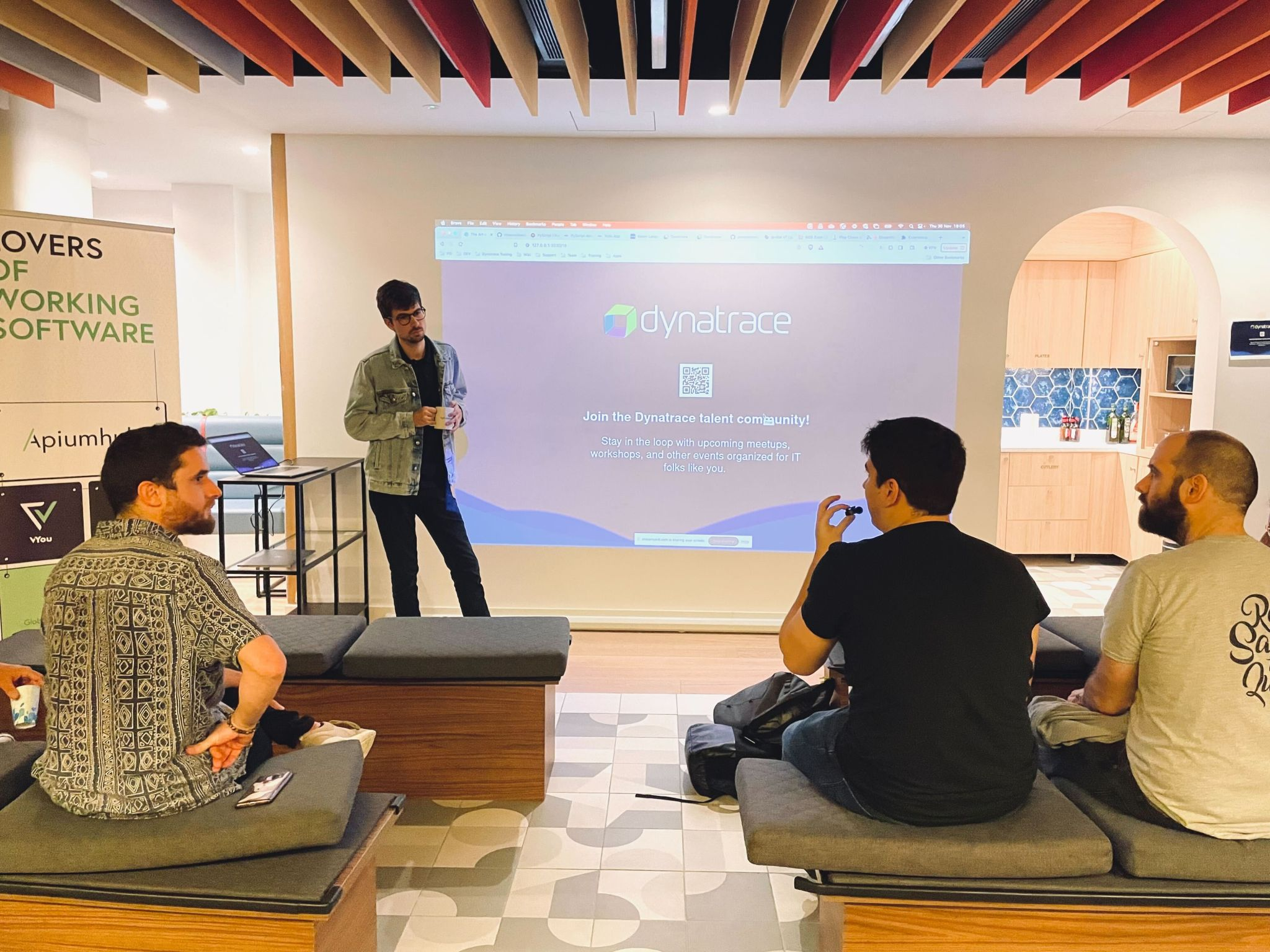
In 2019, WebAssembly became a W3C standard, opening the gates to near-native performance for any kind of application running in the browser. This talk at the Apiumhub Frontend Talks meetup (co-hosted with Dynatrace) cut through the hype to examine what Wasm actually delivers today: its real use cases, the genuine benefits it brings to web apps, and the drawbacks teams should be aware of before diving in. The session closed with a hands-on look at porting non-JavaScript code to the web in a real scenario.
Key takeaways
- What WebAssembly actually is and why its W3C standardisation matters for the open web
- Where Wasm genuinely shines: CPU-intensive tasks, codec porting, and legacy code reuse
- The trade-offs: bundle size, debugging complexity, and the JS interop overhead that surprises most teams
- How to use Emscripten or wasm-pack to port non-JS code and call it from a web app
- A realistic assessment of when Wasm is worth the investment versus when JavaScript is simply enough
Recording
Resources